
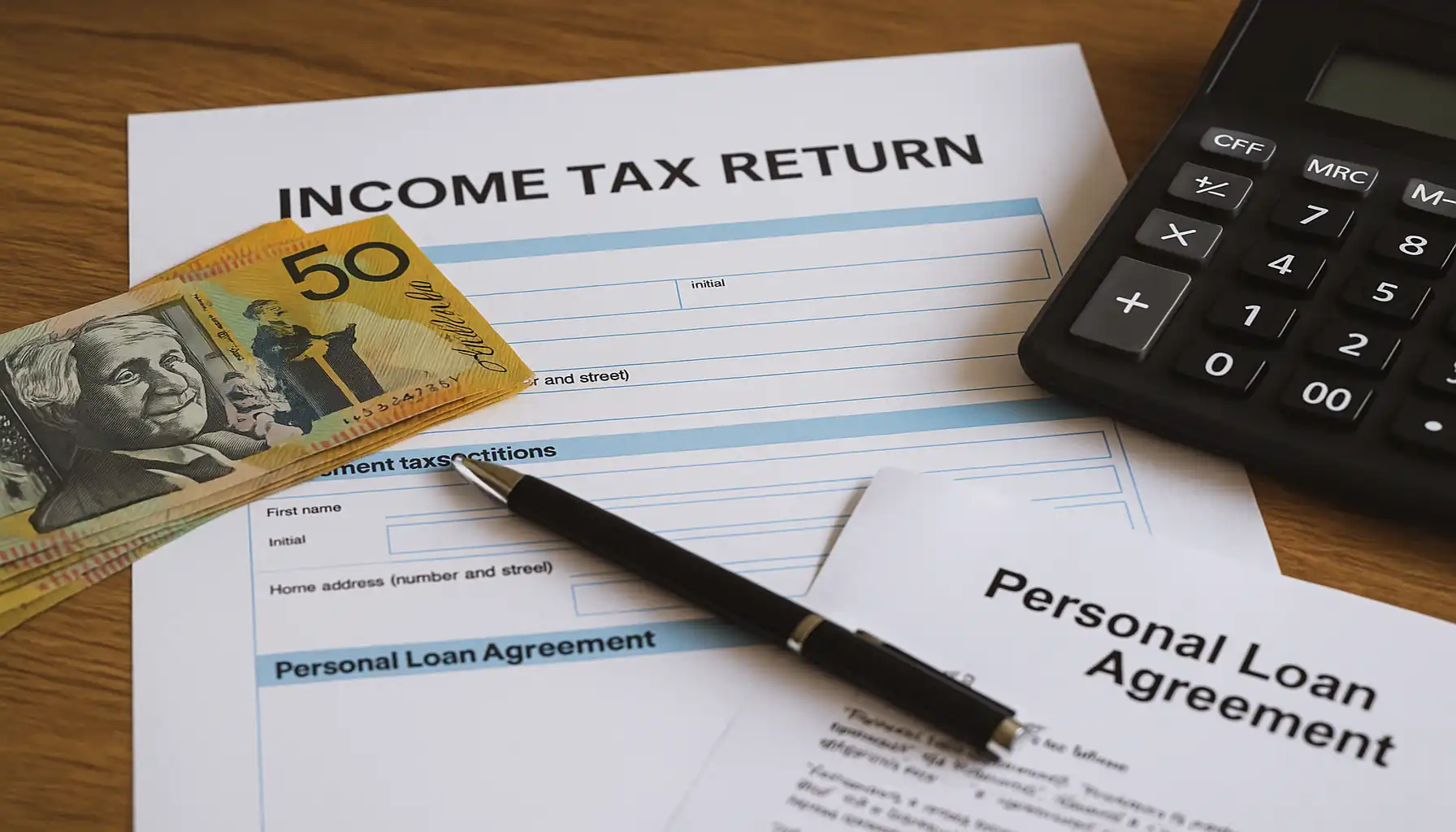
Filing your taxes can sometimes feel like navigating a labyrinth, especially when you’re trying to declare a personal loan. It’s crucial to understand the nuances of how loans impact your tax return to avoid costly mistakes. Knowing the right approach not only ensures compliance but can also help you maximize any potential deductions.
Personal loans, unlike other forms of debt, don’t typically qualify as taxable income. However, they still play a vital role in your financial profile, influencing your ability to leverage certain tax benefits. By properly declaring a personal loan, you can maintain an organized and effective financial strategy.
Understanding personal loans on your tax return

To declare a personal loan, it’s essential to grasp how they fit into the larger tax framework. Personal loans are fundamentally different from income or investment gains; they are considered borrowed money that must be repaid. This characteristic is why they don’t generally appear as taxable income. However, detailing them correctly on your tax forms can impact the overall financial picture you present.
When considering tax deductions, however, it’s important to understand that personal loan interest is typically not deductible, unlike mortgage or student loan interest. Despite this, maintaining accurate records of your loan agreements and repayment plans is crucial.
Documenting and organizing your loan information
Proper documentation is vital when you declare a personal loan. Make sure you have all relevant paperwork, including loan agreements and payment records. These documents serve as proof of the terms and that you are meeting your obligations.
Utilizing financial management software or a simple spreadsheet can help you track loan payments efficiently. By organizing your financial materials ahead of time, you lessen the chances of overlooking critical information. This not only facilitates reporting on your tax return but also aids in managing your personal finances more broadly.
How personal loans differ from other financial obligations
Unlike other non-mortgage debts, such as credit card balances, personal loans are often subject to different financial treatments on your tax forms. Recognizing these distinctions is crucial. The IRS focuses on verifiable financial transactions and obligations, particularly if they include any form of income or gain.
It is also worth noting that refinancing personal loans can change their tax considerations. A new loan arrangement might be perceived differently by the IRS, especially if it impacts your repayment schedules or amounts. Staying informed about how these changes affect your tax situation is an underlying step whenever you adjust your financial commitments.
Practical tips for declaring personal loans accurately
Accurate reporting begins with clear record-keeping. Ensure you have a dedicated space, physical or digital, where all tax-related documents are stored. This habit prevents last-minute scrambles and errors when tax time rolls around, making it easier to declare a personal loan correctly.
Engage with financial advisors or tax professionals who can offer insight specific to your situation. Their expertise could illuminate overlooked areas or deductions, providing peace of mind that you’ve covered all bases. This proactive approach can ultimately save you time and money, reinforcing that preparation is key.
Conclusion on reporting personal loans
Declaring a personal loan on your tax return doesn’t have to be an overwhelming task. With strategic planning, clear documentation, and an understanding of your financial landscape, you’re better equipped to tackle this responsibility. Keeping these loans in order ensures that your tax return is both complete and accurate.
Approach each tax season armed with knowledge and the proper tools, so the process of declaring personal loans becomes part of an efficient financial routine. By doing so, you safeguard your interests and support a stable financial future, where your tax return works for you and not the other way around.