
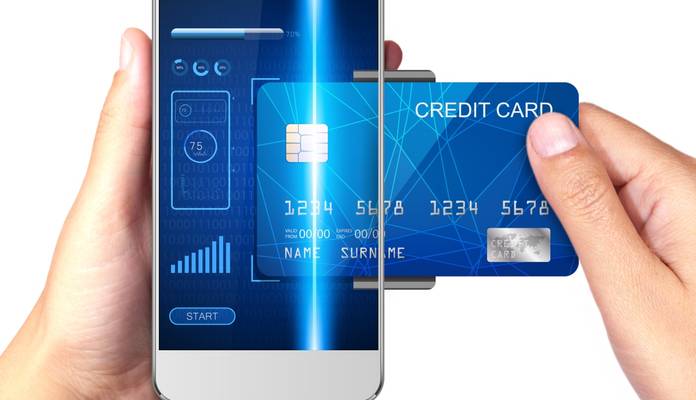
Virtual cards have emerged as a powerful tool in the realm of online transactions. With the increasing frequency of online shopping, ensuring the security of personal and financial information has become paramount.
Virtual cards are one way to enhance this security, offering a digital layer of protection that keeps your actual credit card information concealed. But how exactly do virtual cards work, and can they truly make online shopping safer?
How virtual cards enhance online security

Virtual cards offer enhanced security features designed to protect the average consumer from online fraud. By using a temporary card number for each purchase, users can significantly reduce the likelihood of that number being compromised. This is especially important in an age where data breaches are increasingly common, and personal information can be leaked with alarming frequency.
Furthermore, virtual cards can be set with spending limits and expiration dates. These restrictions mean that even if a card number is intercepted by malicious hackers, the damage they can do is severely limited. Users can also cancel virtual cards at any time, which adds an extra layer of control and peace of mind that is unavailable with traditional cards.
Benefits of virtual card usage for digital shopping
The benefits of using virtual cards stretch beyond just security. For avid online shoppers, these cards provide convenience and ease of use. Not only do they protect customers from potential fraud, but they also allow for efficient management of online spending. With features that allow users to set specific purchase amounts, individuals are encouraged to stay within their budget.
Moreover, virtual cards are often integrated with banking apps, making them easily accessible for instant online purchases. This level of accessibility and control makes virtual cards a favorite among tech-savvy consumers who prioritize both convenience and security when shopping online.
The growing appeal of virtual cards in the digital age
The surge in online transactions has led to a growing reliance on technologies like virtual cards. As consumers become more digital-oriented, the need for innovative solutions that enhance security without compromising on user experience becomes evident. Virtual cards fulfill this demand by providing a simple yet effective way to safeguard money and personal data.
Many businesses have started to recognize this trend, offering virtual card services to stay competitive in the evolving digital landscape. They provide a seamless way for users to transition into safer spending habits, thereby fostering a trust-based relationship with their customers.
Implementing virtual cards in everyday transactions
To start using virtual cards, consumers need to check if their bank or financial service provider offers this feature. Once the service is activated, generating a virtual card becomes a simple process, often available through the provider’s website or mobile app. Users can specify the amount and time frame for which they need the card, further customizing their security measures.
As an additional tip, users are encouraged to utilize virtual cards for unfamiliar or one-time purchases, as these scenarios hold a higher risk of fraud. By routinely employing virtual cards, consumers can establish safer digital habits tailored to the fast-paced, ever-changing online marketplace.
The future of virtual cards in digital commerce
With digital commerce continuing to grow, the implementation of virtual cards is set to become a standard practice. As threats evolve, so too will the technology behind virtual cards, adapting to offer even more robust security measures. The convenience and peace of mind that these cards provide cannot be understated, making them a valuable tool for anyone who frequently shops online.
In conclusion, virtual cards represent a promising advancement in digital security. They offer an effective way to protect finance in the digital space, meeting the needs of modern consumers who demand both safety and convenience. As technology continues to advance, virtual cards will likely play an even bigger role in shaping the future of online purchasing.