

Vehicle-secured loans have become a popular financing option in Australia, offering a convenient way for individuals to leverage their vehicles as collateral. As a solution tailored for those seeking to borrow funds, these loans provide an alternative to traditional personal loans.
In Australia, the process of obtaining a vehicle-secured loan involves using your car as security, which can potentially lower your interest rate due to reduced lender risk. This loan type is accessible to a wide range of borrowers and is often faster to secure than unsecured loans. The loan amount is typically based on the vehicle’s value, and borrowers can enjoy the benefit of longer repayment terms.
Understanding vehicle-secured loans in Australia
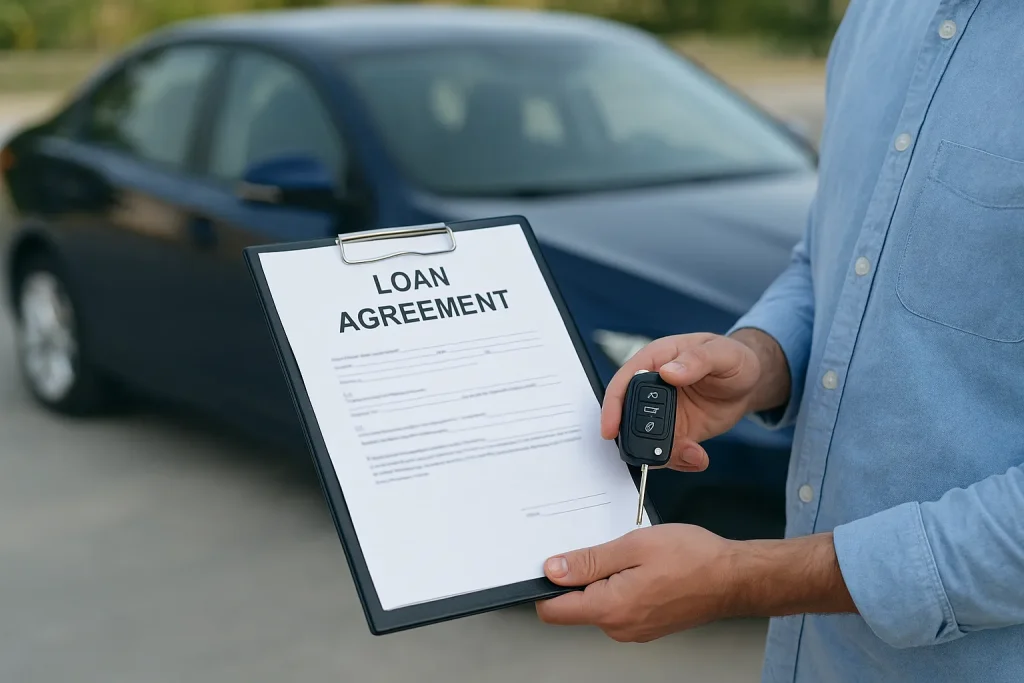
Vehicle-secured loans are structured around the idea of using a borrower’s car as collateral. This reduces the risk for lenders and can result in more favorable loan conditions, such as lower interest rates and higher borrowing limits. In Australia, these loans are an appealing option for people seeking to improve their cash flow without having to sell their vehicle.
A key advantage of a vehicle-secured loan is the potential for better terms, such as more manageable monthly payments. This type of loan is suitable for individuals with varying credit ratings, as the value of the vehicle serves as the primary security. By ensuring that the car is in good condition and has value, borrowers can maximize the benefits of this financing option.
The mechanics of vehicle-secured loans
Understanding the mechanics of vehicle-secured loans is crucial for borrowers. The process starts with assessing the car’s value to determine the maximum loan amount available. Lenders will usually conduct a valuation and may check the vehicle’s history to assess its condition.
Repayment of vehicle-secured loans can often be tailored to suit individual borrower needs, offering flexibility in terms of duration and payment amounts. Once approved, funds are usually disbursed quickly, allowing borrowers to address urgent financial needs promptly. Throughout the loan term, the borrower retains possession of the vehicle, using it as normal while adhering to the agreed repayment plan.
Benefits and considerations of vehicle-secured loans
Vehicle-secured loans come with a range of benefits, appealing to many Australian borrowers. Lower interest rates and potential tax deductions make them financially attractive, particularly for those using the funds for business purposes. Furthermore, this type of loan helps improve personal liquidity without significant lifestyle disruptions, as the vehicle remains in the borrower’s possession.
However, potential applicants should consider certain aspects before committing. It’s important to ensure that your vehicle is eligible, which typically requires it to be in good condition and without any existing encumbrances. Borrowers should also assess their ability to meet repayment schedules consistently, as failure to do so can result in repossession.
Practical considerations for securing a loan
When exploring vehicle-secured loans, it’s important to compare offerings from different lenders. Look at aspects such as interest rates, fees, and repayment terms. Some lenders may offer fixed rates, providing predictability in repayment amounts, while others may offer variable rates.
Applicants should also prepare all necessary documentation before applying. This typically includes proof of identity, ownership papers for the vehicle, and potentially income verification. Being well-prepared can streamline the application process, leading to quicker approval and funding.
Making informed choices with vehicle-secured loans
Making an informed decision regarding vehicle-secured loans requires understanding both the benefits and potential pitfalls. These loans present a strategic way to access funds at possibly lower costs, but they also carry risks like repossession.
Overall, vehicle-secured loans in Australia offer a practical solution for those needing quick access to funds without sacrificing their current lifestyle. By using their vehicle as collateral, borrowers might secure favorable terms, enhancing their financial flexibility.