
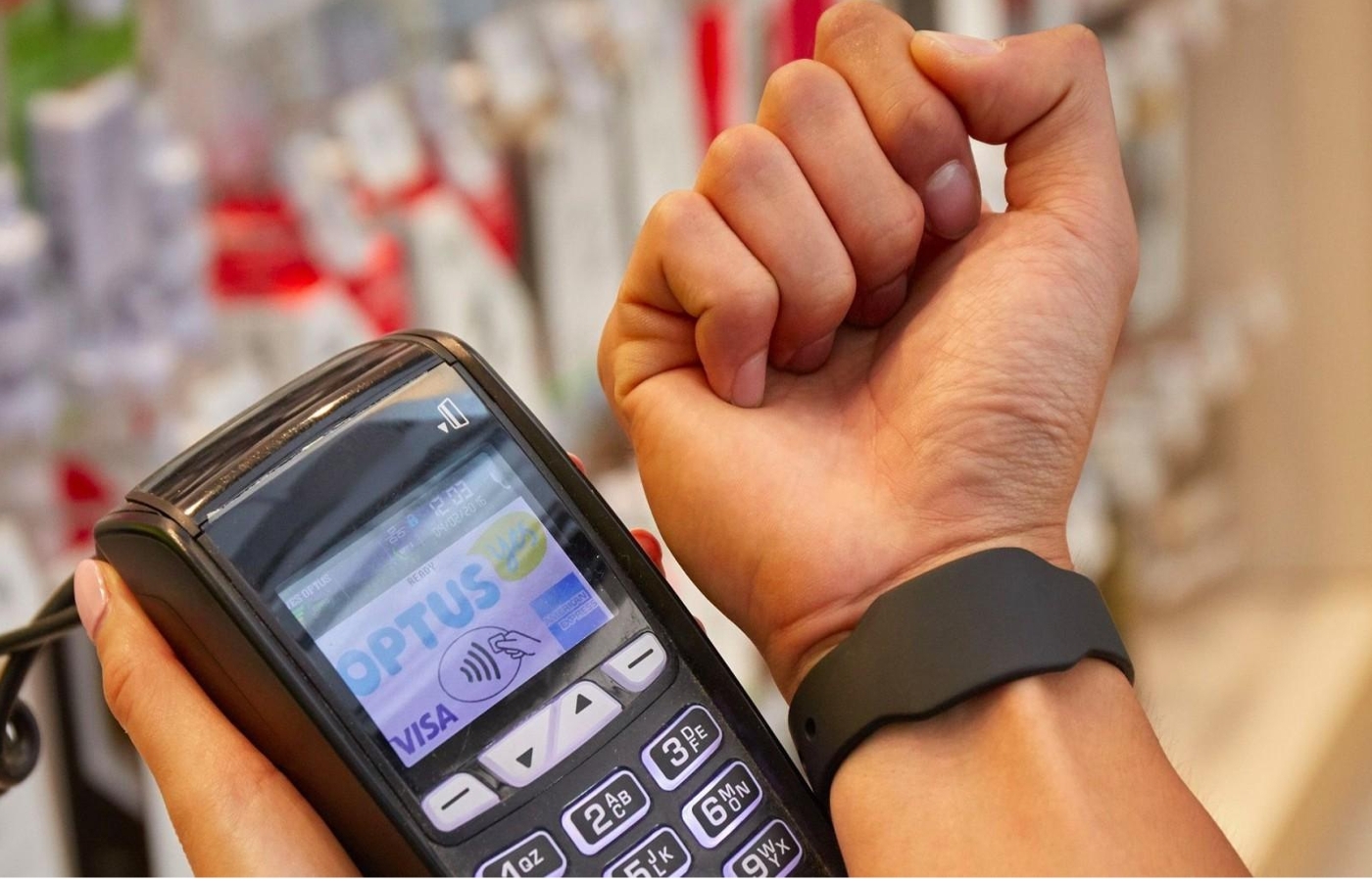
The advent of contactless technology has dramatically transformed the way Australians manage their transactions. With a simple tap of a credit card, purchases are made rapidly, reducing waiting times at checkout counters. This technology not only brings convenience but also raises questions about security and safety.
Contactless payments are becoming the norm rather than the exception. The phenomenon is particularly pronounced in Australia, where consumers have embraced this seamless payment method with enthusiasm. However, as with any technological advancement, it’s important to balance convenience with security.
Understanding contactless payment systems
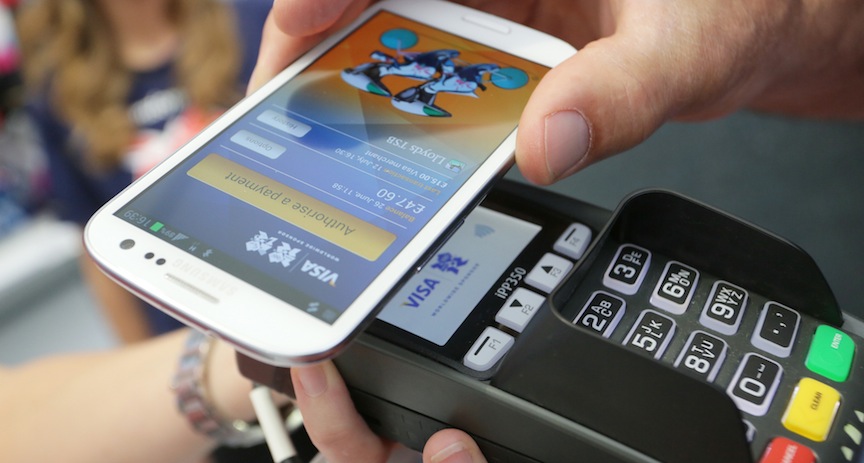
Contactless payment systems use near field communication (NFC) technology to enable quick and easy transactions by simply tapping a payment card on a reader. This method is highly popular in Australia due to its speed and ease of use. Whether it’s buying groceries or paying for a coffee, a simple tap is all it takes.
Thanks to advancements in secure payment protocols, the risk of fraudulent use is minimized. NFC payments are encrypted, providing a layer of security to protect user data. However, it remains crucial for consumers to understand how contactless technology works and what security measures exist to protect their financial interests.
How NFC technology enhances security
NFC technology is at the heart of contactless payments, enabling secure and swift transactions. By encrypting transaction data, NFC minimizes the risk of card details being intercepted by fraudsters. This encryption, along with the requirement for proximity between the card and reader, offers a safety net that is highly effective in protecting users.
Moreover, banks and financial institutions have implemented additional security measures such as transaction limits and instant notifications on mobile apps. These precautions ensure that users can manage their spending and quickly report any unusual activities.
Enhancing credit card security in Australia
With the increased use of contactless payments, Australian banks and merchants are working closely to ensure credit card security remains robust. Financial institutions have developed tools and practices to keep customer data secure, including multi-factor authentication and real-time transaction monitoring.
The collaboration across sectors emphasizes the importance of ongoing education and awareness for consumers. By understanding how to protect their data and respond to potential threats, consumers can confidently enjoy the benefits of contactless payments.
Practical tips for consumers
There are several practical steps consumers can take to enhance their credit card security. Firstly, enabling notifications for all transactions can help detect unauthorized activity early. Another key practice is regularly updating login information and using strong, unique passwords for banking apps and accounts.
Users should also be wary of sharing their card details and avoid storing sensitive information on devices that may not be secure. Furthermore, it’s advisable to periodically review account statements for any unfamiliar transactions. Should any suspicious activity arise, knowing how to promptly contact the financial institution is crucial for immediate resolution.
Conclusion on the security of contactless technologies
In conclusion, while contactless payments provide unparalleled convenience, understanding the accompanying security features is vital for ensuring safe transactions. Australian financial institutions have made significant strides in bolstering the security of credit card use through advanced technologies and educational efforts.
By familiarizing themselves with how contactless systems work and taking proactive measures to protect their data, consumers can continue to enjoy the efficiency of tap-and-go payments without compromising security. Embracing these technologies with awareness and caution ensures that convenience and safety can coexist harmoniously in the fast-evolving landscape of digital payments.