
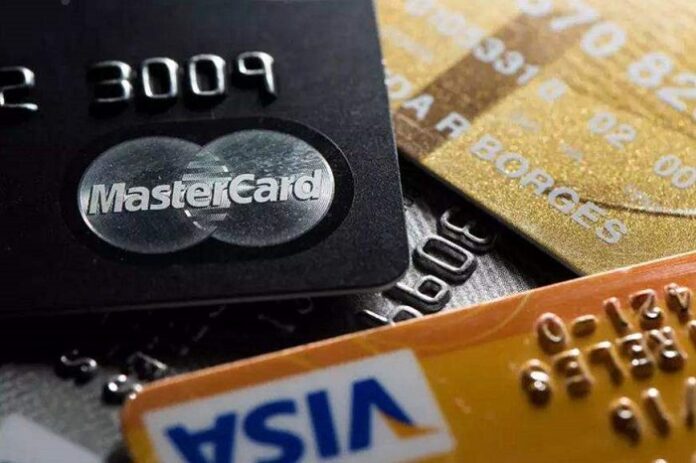
In today’s financial landscape, choosing between a credit card and a prepaid debit card can significantly impact one’s financial health. Each offers unique features and benefits suited for different spending habits and financial goals. Understanding their distinct characteristics is crucial for making the right choice.
While credit cards offer convenience and flexibility, prepaid debit cards provide straightforward spending control. This post will explore these differences, shedding light on which might be the better option for you. With the right information, you’ll be able to leverage these financial tools to your advantage.
How credit cards work
Credit cards operate on the principle of revolving credit. Users are given a set credit limit to spend. Each month, a statement is issued detailing the purchases made and the total balance. Customers must pay at least a minimum amount by a specified due date to avoid penalties.
Interest is charged on any unpaid balance, typically calculated daily from the date of purchase. These cards are powerful tools for establishing and maintaining credit. They can improve credit scores with responsible use or negatively impact it if mismanaged.
The benefits and pitfalls of using credit cards
The advantages of using a credit card are numerous. Rewards systems offer incentives like cash back, travel perks, or discounts. They also provide protection against unauthorized transactions. Despite these benefits, it’s critical to recognize the pitfalls. High-interest rates can quickly lead to debt if balances aren’t cleared monthly.
Prepaid cards, conversely, function more like traditional debit cards. They have a limited amount of money loaded onto them and can be used until this balance is depleted. They do not allow for borrowing, thus preventing debt accumulation. However, they lack the ability to build credit history since they do not involve borrowing.
Diving deeper into prepaid cards
Prepaid debit cards operate on a straightforward model. Users load a specific amount of money onto the card. Once the balance is exhausted, the card cannot be used until reloaded with additional funds. This pay-as-you-go feature offers simplicity and easy financial control.
Used properly, prepaid cards are a great tool for managing a budget. There’s no chance of incurring debt, and they can be an effective means for teaching financial discipline to young adults. While they don’t offer credit-building advantages, they provide peace of mind by limiting spending to the loaded amount.
Practical tips for choosing the right card
When deciding between a credit card and a prepaid card, consider your financial habits and goals. If you aim to build credit and are disciplined with payments, a credit card should be your choice. For a straightforward, debt-free option, go for a prepaid card.
Evaluate potential fees, benefits, and whether you require credit score improvement. Ultimately, understanding your spending habits and long-term financial objectives will guide you to the best option. Research thoroughly and choose a card that aligns with your lifestyle and financial aspirations.
Conclusion on choosing the right financial tool
In conclusion, both credit cards and prepaid debit cards have their distinct purposes and advantages. A credit card is beneficial for those looking to build their credit history and take advantage of reward programs, while a prepaid card offers simplicity and spending control, making it a safer option for those wary of overspending and incurring debt.
By fully understanding how each card type works, you can make informed decisions about which tool will best suit your financial needs, ultimately enhancing your financial wellbeing.