
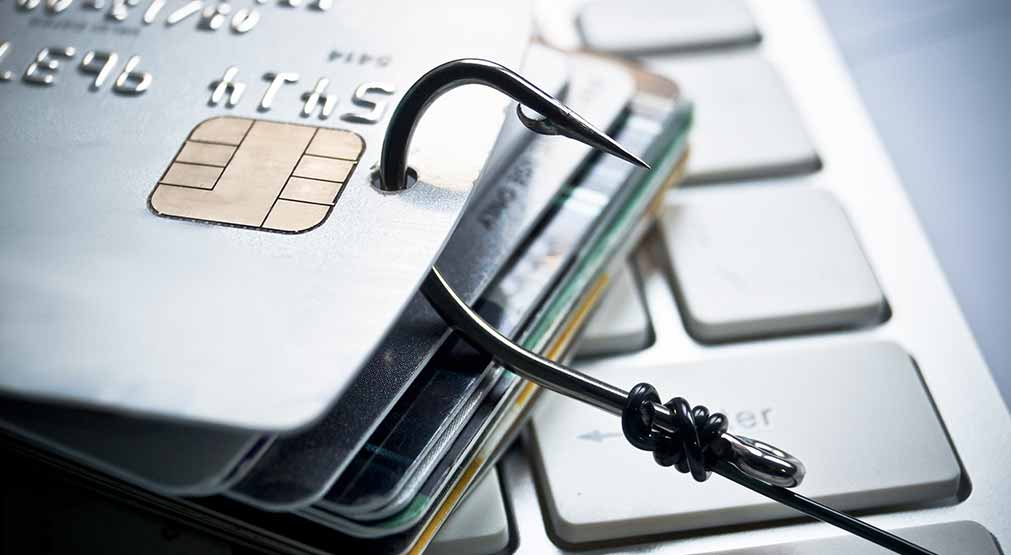
Credit card fraud can be a distressing experience, leaving victims feeling vulnerable and unsure of their next steps. Understanding how to address this issue quickly and effectively is crucial. If you suspect that you’re a victim of credit card fraud, acting fast is key to minimizing potential damage.
Identifying fraudulent activity early can save you from financial loss and a lot of stress. Regularly monitoring your account statements and looking for unfamiliar transactions is a good start.
How to recognize credit card fraud

Being able to identify the signs of card fraud is a critical first step in defending yourself against unauthorized charges. Unfamiliar transactions on your statement, notifications from your bank about unusual activity, or missing statements in the mail can all be red flags.
Understanding the common methods used by fraudsters can also help. Whether it’s skimmers at ATMs, online phishing scams, or data breaches, knowing the risks increases your ability to protect your accounts. Keeping yourself informed about these techniques makes it easier to spot unauthorized charges when they occur.
Steps to take when fraud is suspected
Once you’ve recognized potential fraudulent activity, it’s essential to take action immediately. Contact your bank or card issuer to report the suspicious transactions. Most financial institutions have dedicated fraud departments that can help you resolve the issue and may even refund your money in some cases.
Additionally, consider placing a fraud alert on your credit report. This step can prevent further unauthorized charges, as it alerts creditors to take extra precautions before opening new accounts under your name. Locking or freezing your card through your bank’s app can also prevent additional fraudulent transactions from occurring.
Preventive measures to secure your card
While responding to fraud quickly is vital, implementing preventive measures can also help safeguard your card information from being compromised in the first place. Using strong, unique passwords for your financial accounts, enabling two-factor authentication, and being cautious with sharing your card details online can significantly reduce your risk.
Another effective strategy is to regularly check your financial statements for any inconsistency or unfamiliar transactions. Many banks offer real-time transaction alerts, which can notify you immediately when your card is used.
Practical tips for ongoing protection
To maintain security over time, continue using online banking tools that provide instant alerts for every transaction. These alerts can be customized to notify you according to your preferences, allowing you to monitor your spending closely. Keeping an eye on your accounts can help detect fraudulent activities early.
Frequent updates of your passwords and PINs are equally important. If possible, avoid using easily guessable information like birthdays or sequential numbers. Instead, opt for long combinations with a mix of characters.
Conclusion
Being aware of potential threats and taking quick, decisive actions can greatly minimize the impact of credit card fraud. While it may be distressing, managing the situation with confidence and understanding how to report unauthorized charges can make a significant difference.
By adopting preventive measures and staying alert to any irregularities in your accounts, you can protect yourself from fraudsters and ensure peace of mind. Remember, vigilance and education about how these scams work are your best defenses against falling victim to credit card fraud in the future.